
Sensitivity after teeth whitening is one of the most common concerns people have before booking a treatment. If you’ve heard friends or family mention a sharp zing when drinking cold water afterwards, you’re probably wondering what causes it and whether it’s something to worry about.
The short answer is that teeth whitening sensitivity is temporary for the vast majority of people, and there’s a clear reason why it happens.
What happens inside your teeth during whitening?
Professional teeth whitening uses hydrogen peroxide or carbamide peroxide as the active bleaching agent. When this gel is applied to your teeth, it penetrates through the enamel to reach the dentine layer underneath, where most deep staining sits.
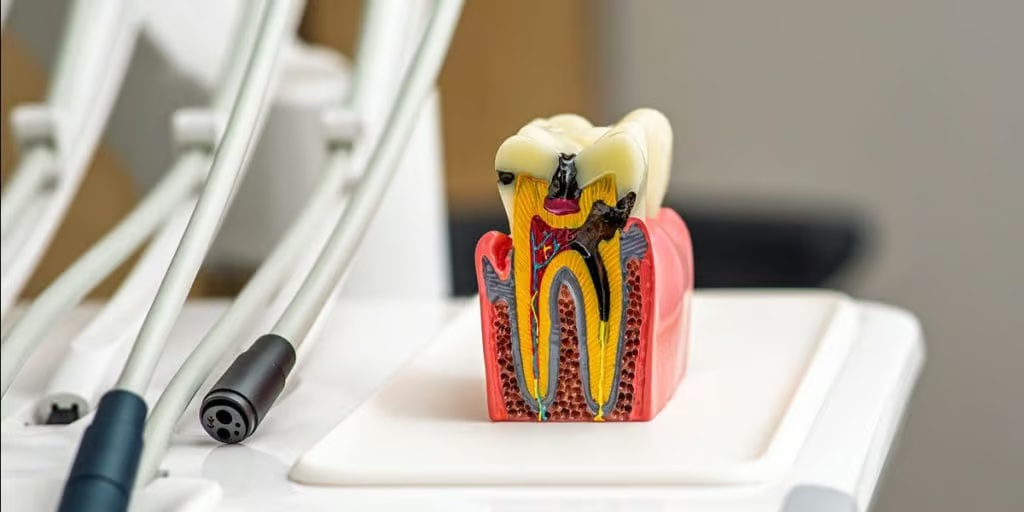
As the peroxide breaks down stain molecules, it also temporarily opens up tiny tubules (microscopic channels) in the dentine. These tubules run from the outer surface of the tooth down to the nerve at the centre. When they’re open, triggers like cold drinks, hot food, or even a breath of air can stimulate the nerve directly. That’s what creates the sensitivity.
This process is reversible. Once the peroxide is no longer active, your enamel begins to remineralise and those tubules gradually close again. For most people, sensitivity will settle within 24 to 48 hours.
Why some people feel it more than others
Not everyone experiences the same level of sensitivity after whitening. Several factors can influence how much discomfort you’ll feel.
Enamel thickness
Enamel thickness plays a big part. If your enamel is naturally thinner, or if it’s been worn down by acidic foods, aggressive brushing, or grinding, the peroxide has less material to travel through before reaching those dentine tubules. Thinner enamel means a shorter path to the nerve.
Pre-existing sensitivity
If you already notice discomfort when eating ice cream or drinking hot tea, you’re more likely to feel it after whitening. This doesn’t mean you can’t have the treatment, but it’s something your dentist should know about beforehand.

Concentration of the whitening gel
Professional in-chair treatments use higher concentrations of hydrogen peroxide than take-home kits, so the bleaching effect is stronger but can produce more noticeable sensitivity in the short term. A good clinic will tailor the concentration to suit your teeth. If you’re unsure what to expect from the teeth whitening process, ask about this during your consultation.
How long does teeth whitening sensitivity last?
For most people, sensitivity peaks within the first few hours after treatment and fades within one to two days. By the 48-hour mark, the large majority of patients feel completely normal again.
In rare cases, sensitivity can linger for up to a week, usually with very high-concentration treatments or in people who already had sensitive teeth. If you’re still experiencing discomfort after a week, contact your dentist so they can check that everything is healing as expected.
How to reduce sensitivity before the treatment?
There are a few practical steps you can take before your appointment to give your teeth the best starting point.
Switching to a sensitive toothpaste about two weeks before your treatment can make a real difference. These formulas contain ingredients like potassium nitrate, which helps block nerve signals in the dentine tubules. By the time you sit in the chair, your teeth will already have some added protection.

Avoid acidic foods and drinks (citrus fruits, fizzy drinks, wine) for a couple of days beforehand. Acid temporarily softens enamel, and you don’t want to go into a whitening session with your enamel already compromised.
If you know you have sensitive teeth, mention it when you book. A good dentist will factor this into the treatment plan, potentially using a lower peroxide concentration or shorter application times to avoid any damage to your teeth.
What to do after treatment if your teeth feel sensitive
If you do experience sensitivity after whitening, there are several things you can do at home to manage it:
- Continue using sensitive toothpaste for at least a week after treatment. Some dentists recommend applying a small amount directly to the sensitive areas and leaving it on for a few minutes before rinsing, which gives the active ingredients more time to work.
- Avoid very hot or very cold food and drinks for the first 24 to 48 hours. Room temperature water and lukewarm meals will be much more comfortable. Steer clear of anything highly acidic too, as your enamel needs time to remineralise.
- Over-the-counter painkillers like ibuprofen can help if the sensitivity is particularly uncomfortable, but for most people, simple dietary adjustments in the first day or two will be enough.
When sensitivity might be a sign of something else
Mild, short-lived sensitivity after whitening is completely normal. But if you’re experiencing sharp, persistent pain that doesn’t improve after a few days, it could point to an underlying issue like a cracked tooth, untreated cavity, or receding gums.
This is why a thorough dental check before treatment matters. Any reputable clinic will examine your teeth first and flag potential problems before applying the whitening gel. That’s why it’s important to explore all teeth whitening options and consider different treatment types together with your dentist.

The important takeaway
Teeth whitening sensitivity is a temporary side effect that resolves on its own for the vast majority of people. It happens because the bleaching agent opens up microscopic channels in your dentine, and once it wears off, your teeth recover. A few simple precautions before and after treatment will keep discomfort to a minimum, and your dentist can adjust the approach if you’re particularly prone to sensitivity.
If you’ve been putting off whitening because of sensitivity concerns, a conversation with a qualified professional will help you work out the right approach for your teeth.