
If your teeth have gradually turned a shade or two darker over the years, you’re not imagining it. Teeth naturally change colour as you age, and it’s one of the most common reasons people consider whitening later in life.
The good news is that professional teeth whitening can still produce noticeable results on older teeth, but there are a few things worth knowing before you book.
Why teeth get darker with age
The main reason teeth look yellower as you get older has nothing to do with how well you’ve looked after them. It comes down to what’s happening beneath the surface.
Your tooth enamel, the hard white outer layer, gradually wears down over time. Decades of chewing, brushing, and exposure to acidic food and drink will thin it. As it thins, the layer underneath, called dentine, starts to show through more prominently.
Dentine is naturally yellow, and it actually darkens with age as it absorbs more minerals. So you’re dealing with two changes at once: less enamel to mask the colour, and deeper-coloured dentine showing through.
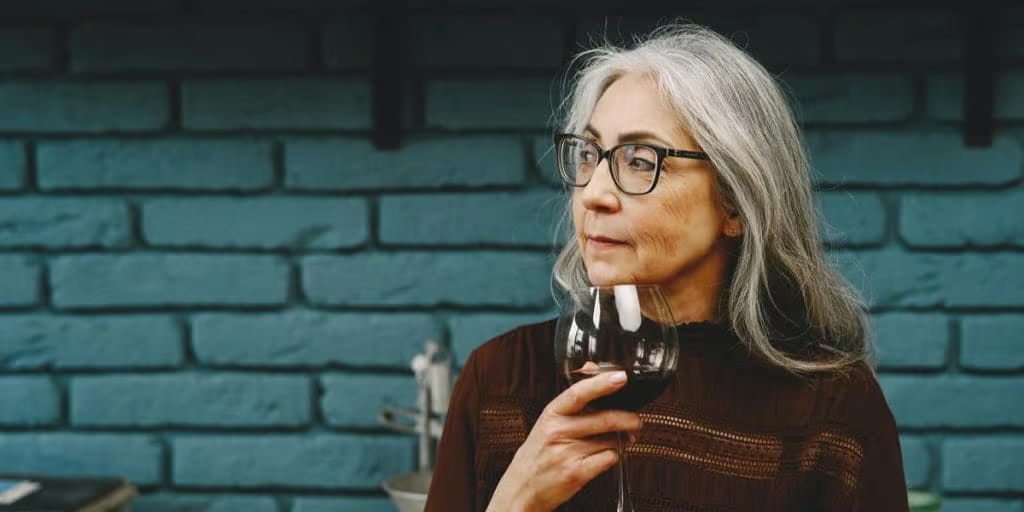
On top of that, years of exposure to staining substances like tea, coffee, red wine, and tobacco build up layers of extrinsic staining on the tooth surface. These surface stains sit on top of the enamel and compound the yellowing effect from the structural changes underneath.
Can professional teeth whitening still work?
Yes, and it often works well. Professional teeth whitening uses hydrogen peroxide or carbamide peroxide to break down stain molecules within the enamel and dentine. This process is effective regardless of age, and there’s no upper age limit for having the treatment done safely.
That said, the results you’ll get at 60 won’t always be identical to what a 25-year-old might see. If your enamel is significantly thinner, there’s simply less material for the whitening agent to penetrate, and the underlying dentine colour will still influence how bright your teeth appear. You’ll likely notice a real improvement, but it may be a matter of four to six shades lighter instead of eight.
A consultation at a specialist clinic like Harley Teeth Whitening will tell you exactly what’s realistic for your teeth. Clinics that use shade guides can show you your current colour and the result you’re likely to achieve, so there are no surprises.
🦷If you’re curious about the results, read up on how many shades whiter your teeth can go.
What about dental work?
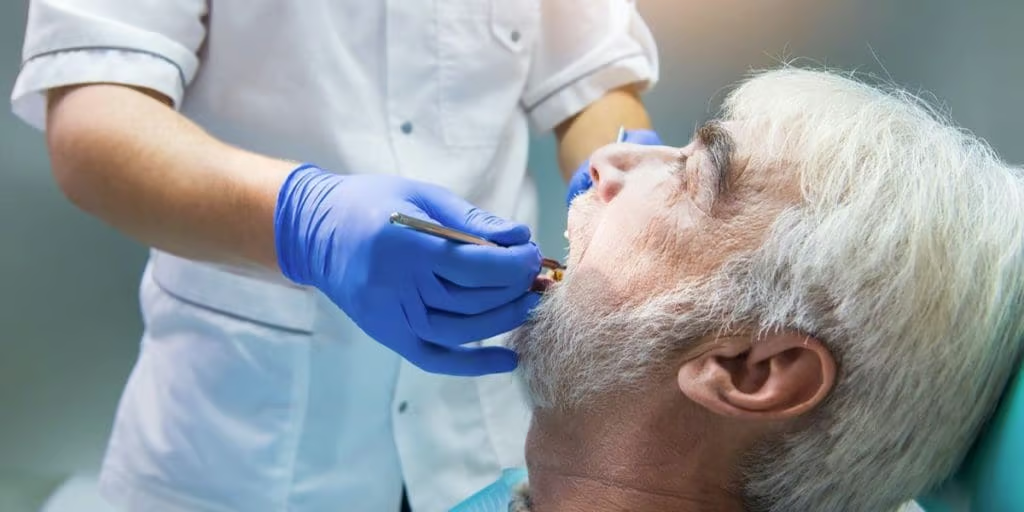
This is where things get a bit more specific for older adults. If you’ve had crowns, veneers, bridges, or large composite fillings placed over the years, these restorations won’t respond to whitening agents. They’re made from synthetic materials that don’t bleach in the same way natural tooth enamel does.
That means if you whiten your natural teeth, any restorations could end up looking darker by comparison. It doesn’t rule out treatment, but it’s something your dentist will need to assess. In some cases, the restorations may need to be updated afterwards to match your new shade.
Is it safe for older teeth?
Professional whitening, carried out by a GDC-registered dentist, doesn’t damage tooth enamel when done correctly. The concentrations used in a clinical setting are carefully controlled, and the dentist can adjust the approach based on the condition of your teeth.
Older teeth can be more prone to sensitivity during and after treatment, particularly if the enamel is thin or gums have receded. This is temporary in the vast majority of cases and settles within a day or two. If you know you have sensitive teeth, mentioning it during your consultation will help the dentist tailor the treatment accordingly.
It’s also worth having any outstanding dental issues like untreated cavities or gum disease dealt with before whitening. A healthy mouth will respond better to treatment and reduce the risk of discomfort.
How to get the most from your results
The same aftercare advice applies to older teeth as it does to anyone else, but it arguably matters more because re-staining can happen faster when enamel is thinner. In the first 48 hours after treatment, avoid dark-coloured food and drink, as your teeth will be more porous and receptive to staining during this window.
Beyond that, cutting back on the biggest culprits (coffee, red wine, and tobacco) will help your results last longer. Rinsing your mouth with water after consuming staining drinks is a small habit that makes a genuine difference.
Professional whitening results typically last 18 to 24 months with reasonable aftercare. If you notice your teeth starting to fade, a single top-up session can bring them back without repeating the full treatment. Most people find that once a year is enough to keep things looking consistently bright.

The bottom line
Age does affect teeth whitening, but it doesn’t mean you won’t see a difference. Older teeth may need adjusted expectations, and any existing dental work will need to be factored in. But for most people, professional whitening will still deliver a visible, worthwhile improvement, and there’s no reason your smile at 50, 60, or 70 can’t look noticeably brighter than it does today.
Book a free consultation today, and we’ll be able to give you more tailored advice to your specific needs.