
If you’ve got sensitive teeth, the idea of teeth whitening can feel like a gamble. You want a brighter smile, but you don’t want to spend the next few days wincing every time you drink something cold.
You’ll be pleased to hear that teeth whitening for sensitive teeth is absolutely doable, and modern treatments have come a long way in making the process comfortable for people who are prone to sensitivity. It’s all about picking the right method and taking a few simple precautions. Let’s see what you can do.
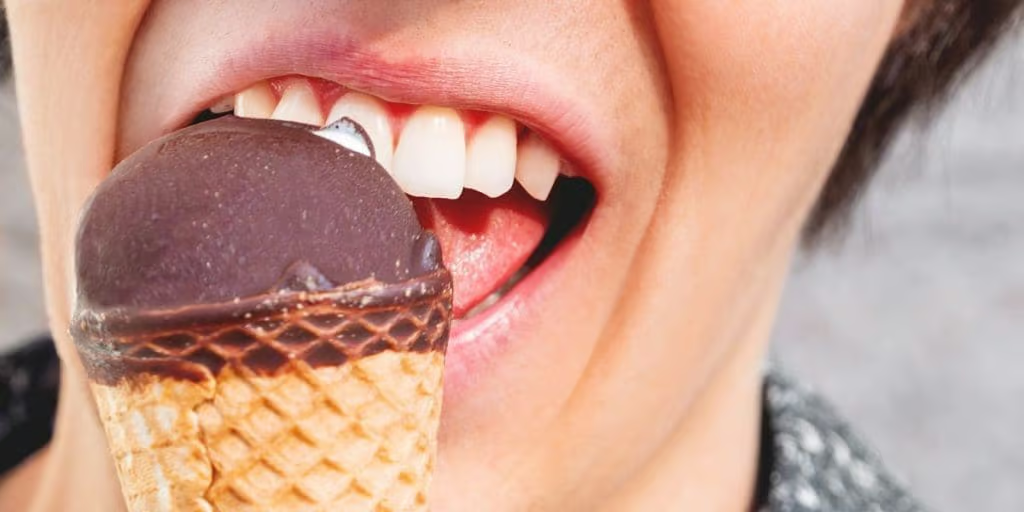
Why can teeth whitening cause sensitivity?
To understand your options, it helps to know why whitening sometimes causes discomfort in the first place. Whitening agents, typically hydrogen peroxide or carbamide peroxide, work by penetrating the enamel and breaking down stain molecules within the tooth.
During this process, the pores in your enamel temporarily open up, which can expose the dentine layer underneath. Dentine contains tiny tubes that lead directly to the nerve of the tooth, and when those tubes are exposed, hot, cold, or sweet foods and drinks can trigger a short, sharp sting.
This is a temporary effect and usually settles within 24 to 48 hours after treatment. But if your teeth are already sensitive, you might feel it more intensely or for slightly longer, which is why the right preparation matters.
Professional whitening for sensitive teeth
A professional treatment carried out by a GDC-registered dentist is generally the best option if you’re concerned about sensitivity. The dentist can assess the condition of your enamel before treatment begins and adjust the concentration of the whitening agent to suit your teeth. They’ll also apply a protective barrier to your gums, which keeps the gel away from soft tissue and reduces the chance of irritation.
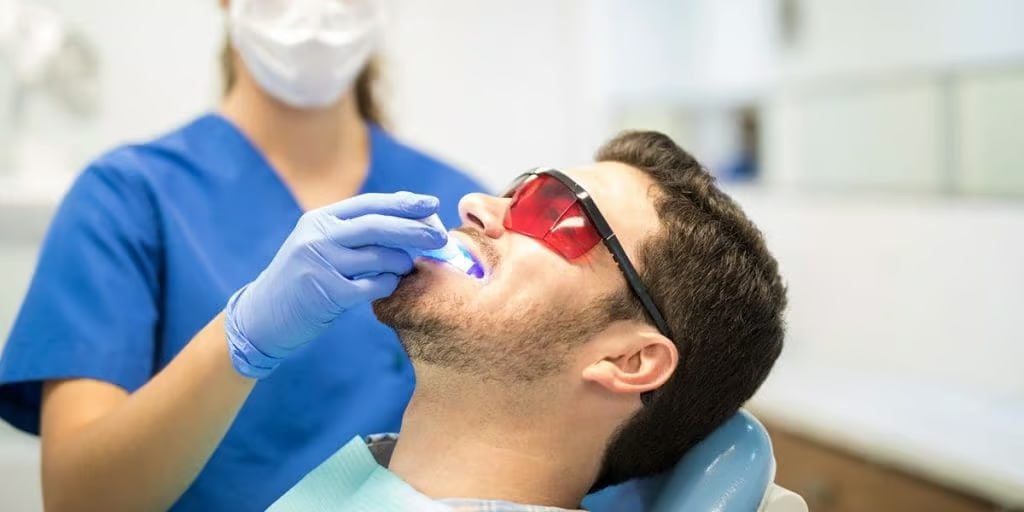
In-clinic laser whitening, for example, uses controlled bursts of blue spectrum LED light to activate the whitening agent. The treatment typically takes around 60 minutes, and because a dentist is supervising the entire process, they can respond immediately if you experience any discomfort.
If you want to know more about how professional treatment works and what safety measures are in place, it’s worth reading up before you book.
One of the biggest advantages of professional whitening is that the dentist can use desensitising products before, during, and after the session. These products contain ingredients like potassium nitrate or fluoride, which help to block the nerve pathways in your teeth and reduce that zingy feeling.
At-home options worth considering
If you’d prefer to whiten your teeth at home, there are a few routes that tend to be gentler on sensitive teeth. Dentist-prescribed take-home kits use custom-fitted trays and a lower concentration of whitening gel, which you wear for a set period each day over one to two weeks. Because the gel is less concentrated, the whitening happens more gradually, and the risk of intense sensitivity is lower.
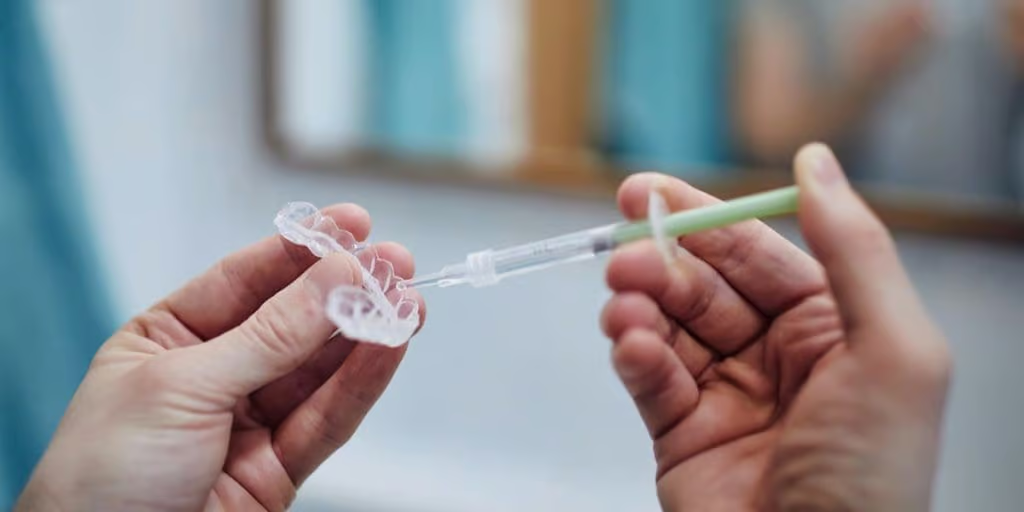
Over-the-counter whitening strips and trays are another option, though the results will be more modest. In the UK, shop-bought products are legally limited to 0.1% hydrogen peroxide, which is far less than what a dentist can prescribe. They can help with light surface staining, but they won’t deliver the same results as a professional whitening treatment.
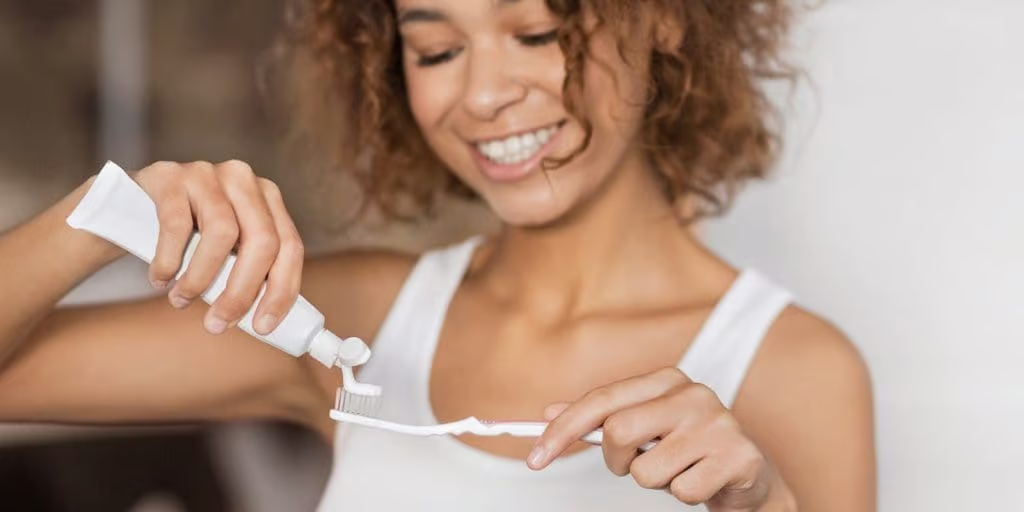
Whitening toothpastes are also widely available. These contain mild abrasives that can lift some surface stains over time. However, they won’t change the underlying colour of your teeth, and some abrasive formulas can actually make sensitivity worse if used too aggressively. A standard fluoride toothpaste is often the better choice for daily use, especially after a professional treatment.
How to reduce sensitivity before and after treatment
There are several practical things you can do to manage sensitivity around a whitening appointment. In the two weeks before your treatment, switch to a toothpaste designed for sensitive teeth. These typically contain potassium nitrate, which calms the nerve endings in your teeth over time. Using it consistently in the run-up to your session can make a noticeable difference.
After your treatment, the first 48 hours are the most important. Your teeth will be more porous during this window, so stick to room-temperature, non-acidic foods and drinks. Avoid anything very hot or very cold, and steer clear of citrus fruits and fizzy drinks.
It also helps to avoid using a whitening toothpaste immediately after treatment. This might sound counterintuitive, but whitening toothpastes contain fine abrasive particles that can irritate freshly treated enamel. A gentle, non-abrasive fluoride toothpaste is a much safer bet during the recovery window.
For more detailed guidance on what to do after your appointment, our aftercare advice guide covers everything you’ll need to know.
When to speak to your dentist first
If your sensitivity is persistent or severe, it could point to an underlying issue like enamel erosion, receding gums, or a cracked tooth. In these cases, whitening might need to wait until the root cause has been addressed. A good dentist will always carry out a thorough check during your consultation and won’t recommend treatment if it’s likely to cause you problems.
It’s worth mentioning any history of sensitivity when you book your consultation, so the dentist can plan the best approach from the start. Being upfront about your dental history will help them tailor the treatment to your teeth and avoid unnecessary discomfort.
At the end of the day, sensitive teeth don’t have to mean giving up on a whiter smile. With the right method and a bit of preparation, you can get great results without the pain.