
If you’ve switched from cigarettes to vaping, or you’re thinking about it, you’ve probably wondered whether your teeth will take the same hit. Smoking is notorious for turning teeth yellow and brown over time, and it’s one of the most common reasons people book whitening treatments. But vaping is often marketed as the cleaner alternative, so where does that leave your smile?
The short answer: vaping can stain your teeth, but it doesn’t do it the same way or at the same speed as smoking.
How smoking stains your teeth
Cigarette smoke contains two main culprits when it comes to staining: tar and nicotine.
Tar
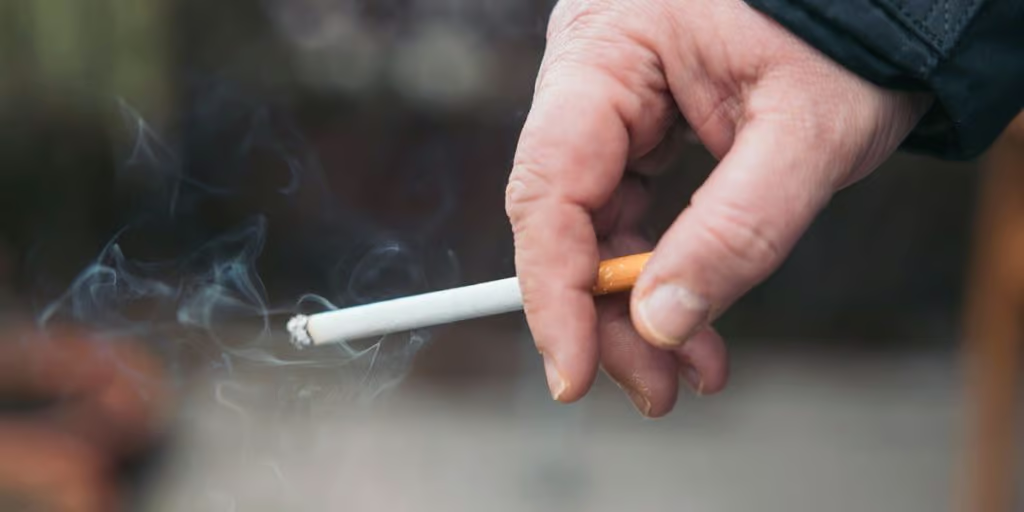
Tar is a thick, dark residue produced when tobacco burns, and it’s extremely sticky. Every time you inhale, tar particles coat the surface of your teeth and settle into the tiny grooves and gaps that a toothbrush can’t always reach. Over time, this creates the deep brown and black extrinsic staining that heavy smokers know all too well.
Nicotine
Nicotine adds to the problem. On its own it’s almost colourless, but when it comes into contact with oxygen it turns yellow. With repeated exposure, these yellow compounds seep into the microscopic pores in your enamel and build up gradually. So you get a double effect: dark tar deposits sitting on the surface and nicotine discolouration working its way deeper into the tooth structure.
Saliva Production Is Affected as Well
Smoking severely reduces saliva production. Saliva is your mouth’s natural defence system. It rinses away food particles, neutralises acids and helps prevent plaque from building up. Less saliva means more plaque, more staining, and a higher risk of gum disease and decay on top of it all.
How vaping affects tooth colour
Vaping removes one major piece of the equation: tar. Because e-cigarettes heat a liquid instead of burning tobacco, there’s no combustion and no tar. That’s a genuine difference, and it means you won’t get the same heavy brown and black staining that cigarettes cause.
But that doesn’t mean vaping is stain-free. E-liquids still contain nicotine (unless you’re using nicotine-free options), and that nicotine will still oxidise and turn yellow when exposed to oxygen. With frequent use, it can gradually discolour your teeth, particularly if you’re using high-nicotine e-liquids. The staining tends to be lighter than what smoking produces, more of a dull yellowing than the deep brown associated with tar, but it’s real and it accumulates.
Temperature also plays a role. Research has shown that vaping at higher temperature settings produces a more yellow, stickier aerosol that’s more likely to cling to enamel. So the type of device you use and how you use it can influence how quickly discolouration develops.
The dry mouth problem
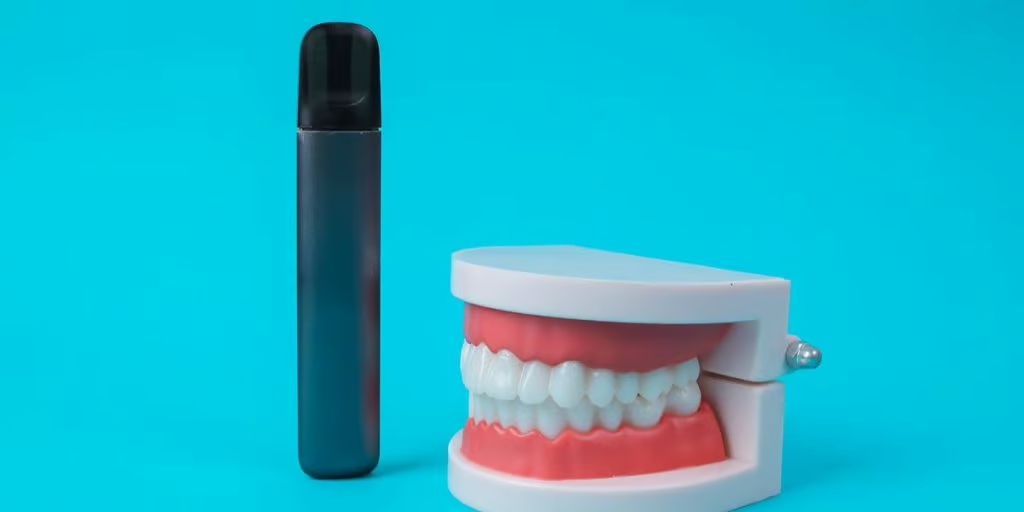
One of the biggest oral health issues with vaping has nothing to do with colour directly, but it makes staining worse. Propylene glycol, a base ingredient in most e-liquids, is a hygroscopic compound, which means it absorbs moisture. When you vape, it draws water from the tissues in your mouth and reduces saliva flow.
That dry mouth effect creates a chain reaction. With less saliva rinsing your teeth throughout the day, plaque builds up faster, bacteria thrive, and any staining compounds from your e-liquid or your diet will sit on the enamel for longer before being washed away. It also raises your risk of cavities and gum disease, issues that can compound the cosmetic effects over time.
The European Federation of Periodontology has cautioned that vaping can harm gums and oral health in ways that are comparable to traditional cigarettes. While vapers generally experience fewer oral issues than smokers, they experience more problems than non-smokers. Keeping on top of hydration and maintaining good oral hygiene will help offset some of this.
Can whitening remove vaping stains?
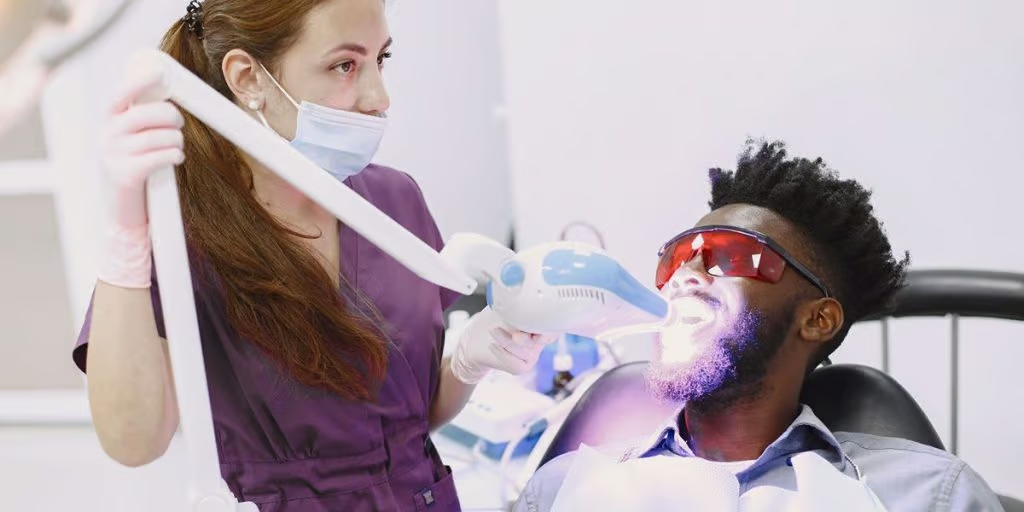
Yes, and in most cases it’ll work very well. Because vaping stains tend to sit closer to the enamel surface than deep-set tar staining from cigarettes, they generally respond well to professional whitening. A single in-clinic session using a peroxide-based gel and LED light can typically lighten teeth by six to eight shades in about an hour.
Smoking stains can also be treated with professional whitening, but they often take more effort. Tar staining in particular can be stubborn, and a thorough cleaning by a hygienist is usually recommended beforehand to remove the heavier surface deposits before the whitening gel can work on the enamel beneath.
Either way, if you’re vaping or smoking and you’re unhappy with the colour of your teeth, professional whitening will make a noticeable difference. The key is to be realistic about aftercare: if you continue vaping, some degree of restaining will happen over time, and touch-up treatments every 12 to 18 months will help you maintain your results.
How to reduce staining if you vape
You don’t have to quit vaping to look after your teeth, though your dentist would certainly encourage it. But if you’re going to continue, a few easy steps will help keep staining to a minimum:
- Lower nicotine e-liquids will produce less of the yellow oxidation that causes discolouration.
- Drink water regularly throughout the day to counteract the dry mouth effect from propylene glycol and keep saliva flowing.
- Brush your teeth twice a day and floss at least once.
- Book regular hygienist appointments.
These will all help prevent the plaque buildup that traps stains against your enamel. And if you notice your teeth are already starting to look duller, don’t wait for it to get worse. The earlier stains are treated, the easier they are to remove.