
You’ll smile more on your wedding day than on almost any other day of your life. That’s not a guess. Between the ceremony, the photos, the speeches, and the first dance, your teeth will be on full display for hours. Not to even mention the photos that will be displayed on the mantlepiece for decades to come. It’s no surprise that teeth whitening is one of the most popular pre-wedding treatments in the UK, but timing matters more than most people realise.
A rushed whitening job in the fortnight before the wedding can leave your teeth sensitive, patchy, or the wrong shade in photos. A properly planned timeline avoids all of that. Here’s how to space it out so you arrive at the venue relaxed, not wincing every time you sip champagne.
Six months out: Book your dental check
Before any whitening gel touches your teeth, you’ll want a general dental check-up. The treatment won’t work properly on teeth that have decay, gum disease, or old fillings sitting at the front of your mouth. Fillings, crowns, and veneers don’t respond to whitening agents the way natural enamel does, so any mismatched restorations need to be flagged early.
If you’ve been putting off a scale and polish, now’s the time. Removing surface tartar and stains gives you an accurate baseline shade, and a thorough hygienist appointment alone will sometimes lift your teeth a shade or two.
This is also the window to raise any sensitivity issues with your dentist. People who already get twinges from cold drinks tend to be more reactive to whitening gels, and there are ways to manage that in advance.

Three to four months out: Your whitening consultation
At this point you’ll want to sit down with a qualified dental professional and talk through your options. In the UK, teeth whitening is legally a dental procedure, and it must be carried out or prescribed by a registered dentist, dental hygienist, or dental therapist working under prescription. Anyone offering it on the high street without dental qualifications is operating outside the law, which matters both for safety and for the result you’ll actually get.
A good consultation will cover your current shade, realistic target shade, the condition of any existing dental work, and which treatment suits you best. Professional in-chair whitening gives faster results in a single appointment, while custom take-home trays work more gradually over two to three weeks. That’s why many clinics combine the two for the strongest result.
Two months out: Start treatment
Around eight weeks before the wedding is the ideal point to start active treatment. This gives you the breathing room that matters most: time to see how your teeth respond, time to top up if needed, and time for any sensitivity to settle.
If you’re using custom trays at home, you’ll wear them for a prescribed period each day over a couple of weeks. As we mentioned above, in-chair treatment is quicker but still benefits from being booked with a buffer, so you’re not panicking if the clinic’s diary is full closer to the date. It helps to read up on how to prepare a few days before.
Keep in mind that teeth settle a shade or so after whitening as they rehydrate. What looks brilliantly white on day one will look a touch softer a week later, and that’s the shade that will show up in your photos.
Two to three weeks out: Final touch-up
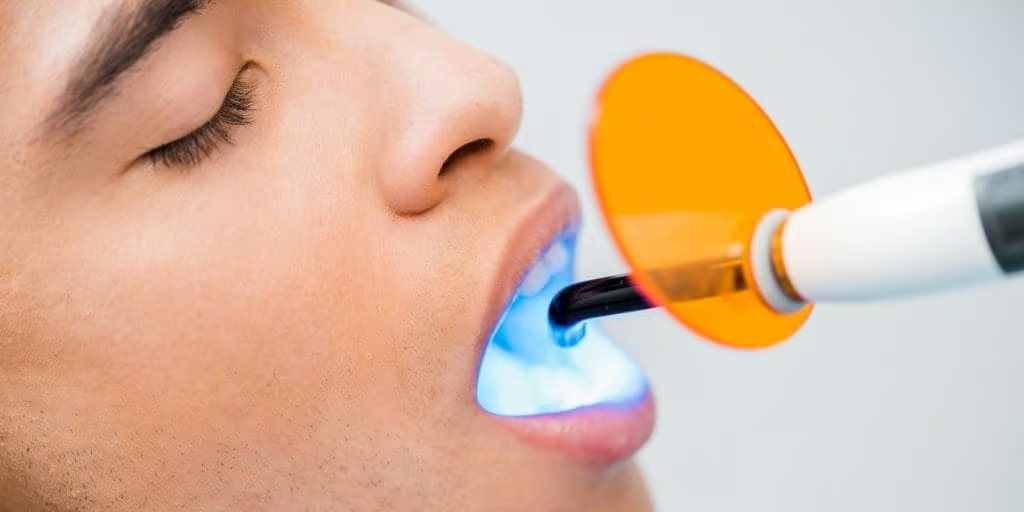
Two to three weeks before the wedding is the sweet spot for any final top-up. Your teeth will have had time to recover from the main treatment, and any last adjustment to the shade will hold beautifully through the big day.
This is also when you’ll want to be strict about staining foods and drinks. Red wine, coffee, tea, curry sauces, balsamic, and berries will all pull colour back into freshly whitened enamel. A white diet for the final fortnight sounds dramatic, but even cutting back noticeably will make a visible difference.
If you’re a smoker or vaper, this is worth knowing too. Nicotine discolours teeth quickly, and the effect is most pronounced in the weeks right after whitening.
The week of: Keep it simple
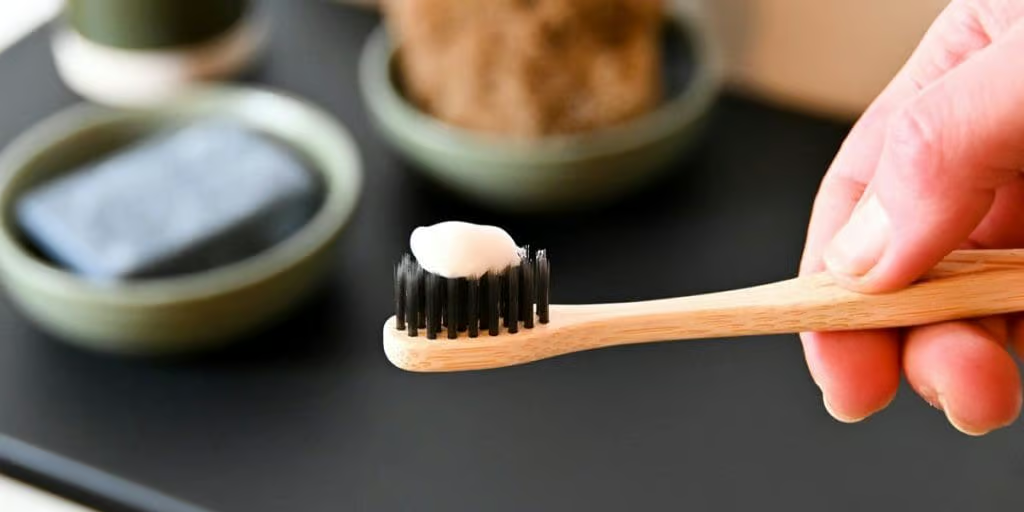
Don’t try anything new in the final week. No new whitening products, no charcoal toothpastes, no DIY hacks from social media. Stick with a gentle fluoride toothpaste, floss properly, and book a last hygienist appointment only if you genuinely need one and your dentist recommends it.
If you’ve experienced any sensitivity, a desensitising toothpaste used twice daily for the week before the wedding will help settle things down in time for the speeches and the first champagne toast.
A note on expectations
Whitening lightens the natural colour of your teeth. It won’t change the colour of veneers, crowns, or bonded fillings, and it won’t produce the unnaturally bright shade you sometimes see on American reality TV. A good result looks like your own teeth on their best possible day, which is what you want in your wedding photos.
If you’ve left it too close, talk to a dentist honestly about what’s achievable. A professional clean with a short course of whitening can still make a real difference, but rushing a full treatment into a fortnight is rarely a good idea.